
Dumas Jean-Luc
1212 Grand-Lancy · about 0 km
Dumas Jean-Luc, based in Grand-Lancy, installs floor and wall tiles.
dumascarrelage.chNew flooring · Lancy
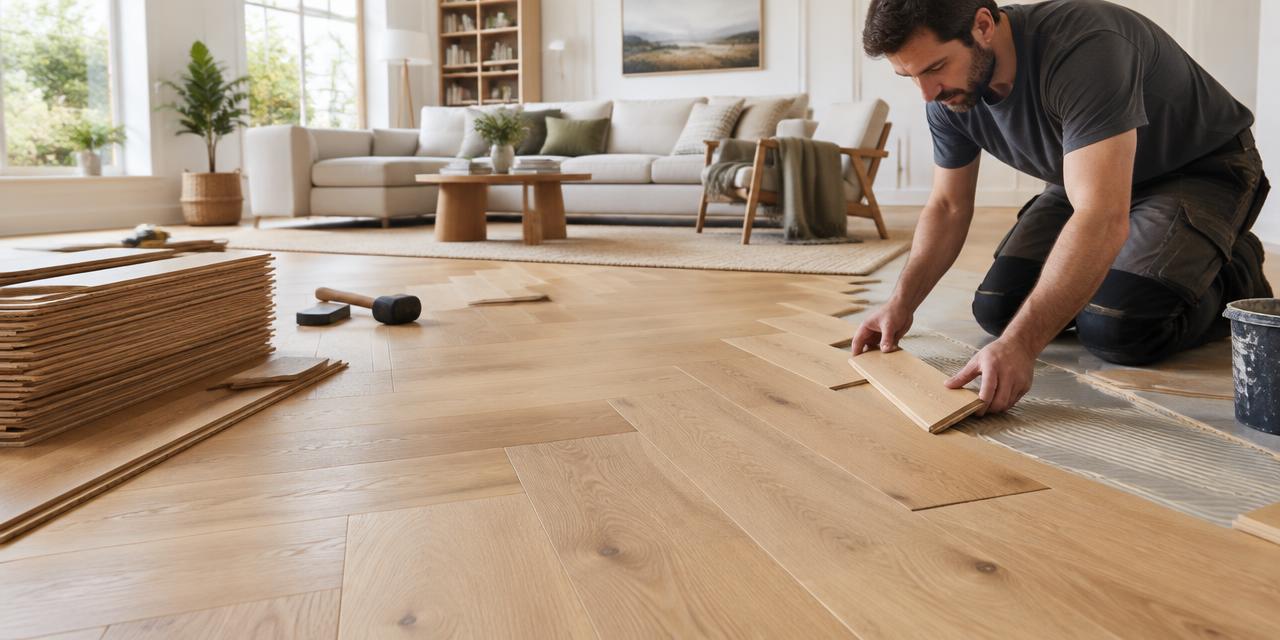
Small project
CHF 3'500 – CHF 8'500
Typical project
CHF 6'400 – CHF 15'100
Large project
CHF 10'800 – CHF 25'000
Computed with our estimator for Lancy (regional factor included), standard finish. Only the project size changes.
Lancy, at an average altitude of 421 meters, experiences a Geneva climate characterized by cold winters with about 66 days of frost per year.5 °C, placing significant demands on the building's thermal insulation.
Replacing old flooring with higher-performance materials is an effective way to improve indoor thermal comfort.3 °C.
The ideal time for these works is outside the frost period. Although heating is necessary to offset the 2905 Kj/year energy requirement, starting work during milder months allows for better material installation, especially for glues or resins requiring stable temperature conditions.
It also avoids issues related to extreme thermal variations that can affect natural materials like wood, which reacts to humidity and temperature changes in living spaces through expansion or contraction.
The choice of flooring depends primarily on the existing substrate. Whether you have a concrete screed, old tiles, or parquet, the state of this substrate determines the necessary preparation. An uneven floor requires self-leveling compound, a crucial step to ensure the durability of the new flooring.
In condominiums, the PPE regulations often require specific acoustic insulation under the flooring to limit impact noise transmission, an essential rule in dense urban areas.
If your home is equipped with underfloor heating, you must strictly select a compatible material. The thermal resistance of the chosen flooring must not hinder heat transfer. Materials with low thermal inertia are recommended to maximize heating efficiency.
Finally, the quality level influences aesthetics and lifespan: from solid parquet to porcelain stoneware, each option has different maintenance constraints. Anticipate these aspects when choosing the material to avoid any technical incompatibility with your current heating installations or your acoustic requirements.
Lancy is experiencing a dynamic evolution of its housing stock, which reached 16,074 dwellings by the end of 2023.4%, implies a wide diversity of construction techniques. For buildings dating back to before 1990, special attention must be paid to potentially asbestos-containing materials.
When removing old floors (vinyl tiles, bituminous glues), sanitary precautions are necessary. It is essential to check if your home has undergone previous renovations regarding insulation or network compliance.
Newer buildings benefit from better energy standards but may present constraints regarding the available thickness for the new flooring, particularly due to door thresholds or fitted kitchens. In older buildings, floors may be made of wood or show significant flatness defects.
An inspection of the substrate is recommended before any order. Inquire about the history of work in your condominium to identify constraints related to embedded pipes or heating systems, so as not to compromise the integrity of your home during demolition or installation work.
For the majority of interior floor changes, no building permit is required. However, if your work involves a major structural modification or touches on elements protected by heritage, it is essential to consult municipal services.
The canton of Geneva, through the Urban Planning Office, governs construction rules (LCI). If your building is registered in the monument inventory or located in a special protection zone, specific restrictions may apply, although this rarely concerns simple flooring changes.
It is advisable to contact the Urban Planning Office or the competent authorities of Lancy if you are planning major work modifying the structure of slabs or floor loads.
In the case of a condominium (PPE), internal regulations often take precedence over personal choices, particularly to guarantee uniformity or acoustic protection.
Before starting, always check if your project requires a building permit or a simple declaration by addressing the municipality's technical services directly. This guarantees the compliance of your work and avoids any subsequent disputes with neighbors or municipal authorities.
In Lancy, as in the rest of the canton, changing floor coverings is generally considered a routine maintenance expense, which means there are no direct public subsidies for this type of project. Simple decoration or finishing replacement works are not eligible for energy subsidy programs.
It is important to plan your budget considering this reality, without expecting reimbursement or bonuses from the municipality or canton.
Regarding taxation, it is possible to deduct these works from your taxable income if the replacement is considered value maintenance. Keep all your invoices carefully, as the Geneva tax administration may require them to justify the deduction. The communal tax rate in Lancy is 47.
Although rates depend on cantonal laws, rigorous management of your accounting documents is recommended to optimize your tax situation.
Before starting the work, consult a real estate tax specialist to validate the eligibility of your work for tax deductions, as rules may evolve and depend on the precise nature of the intervention.
A flooring change project involves several key stages. Everything starts with the study phase and the choice of materials, followed by the preparation of the substrate. If self-leveling compound is required, it needs an incompressible drying time before the final flooring can be laid.
It is preferable to perform these works during months when humidity is lower to ensure optimal drying of the screeds. The work often begins with the removal of the old floor, a dust-generating step that requires emptying the room completely.
Once the substrate is prepared and cleaned, the flooring is installed. This step is fast for click-in solutions like floating parquet or some vinyls, but longer for glued materials or tiles requiring grouting. Plan for a finishing period, including the installation of skirting boards and thresholds.
There is no fixed deadline, but good coordination between the various trades, if needed, allows for a reduction in the total duration of your unavailability.
Avoid periods of extreme cold if the drying requires a minimum ambient temperature, although modern heating allows for maintaining the required conditions despite low outside temperatures.
Never neglect the condition of the substrate before choosing your flooring. A common error is installing a new floor without checking the humidity or flatness of the screed, which can cause subsequent deformations. Ensure the material is compatible with your underfloor heating system before placing any order.
Also, check your condominium's rules regarding acoustic insulation. Always obtain several detailed comparative quotes from local professionals. Ensure that the quote includes substrate preparation and construction waste management.
Checklist before requesting quotes : Measure the total surface area of your rooms precisely. Identify the current type of substrate (concrete, tiles, wood). Check door thresholds and available heights. Determine the expected traffic level in each room to choose the appropriate durability.
List specific constraints related to heating or the condominium. Ensure you have clarified vigilance points related to old materials like asbestos if the building is old. Contact the competent authorities if the project is complex.
By following these steps, you secure your investment and avoid extra costs related to technical unforeseen events.
No specific grant listed for this work. Maintenance tax deductions may still apply.
1212 Grand-Lancy · about 0 km
Dumas Jean-Luc, based in Grand-Lancy, installs floor and wall tiles.
dumascarrelage.ch1212 Grand-Lancy · about 0 km
MEHA Rénovation is a Swiss company specializing in interior and exterior renovation works, including painting, plastering, and flooring.
meha-renovation.ch1212 Grand-Lancy · about 0 km
Cobatim SA is a general contractor based in Crissier specializing in interior renovation and building transformation projects throughout French-speaking Switzerland.
cobatim.ch1212 Grand-Lancy · about 0 km
Geneva-based carpentry specializing in interior design, custom furniture, parquet flooring, windows, terraces, and ZWECO asbestos removal.
menuiserie-fev.chSuggestions from the commercial register by distance and activity. Not an endorsement or partnership.
Generally no. However, it is recommended to check with the municipality's technical services for structural works.
Yes, the material must be compatible and have adequate thermal resistance to allow heat to pass through.
There is no direct public aid for floor replacement, as it is considered routine maintenance.
It is often required by the condominium regulations to avoid noise nuisance between neighbors.
Yes, in buildings built before 1990, some old materials may contain asbestos during their removal.
If the work is considered value maintenance, it may be deductible. Consult a tax expert.
Months with less humidity are preferable to ensure correct drying of the substrates.
Source : N° 03 – MARS 2024 - INFORMATIONS STATISTIQUES - MOUVEMENT DE LA CONSTRUCTION EN 2023
Source : raiffeisen.ch