
Humard Construction S.A.
2800 Delémont · about 0 km
Company specializing in masonry, reinforced concrete, and earthworks, also offering industrial automation solutions.
humard.comNew flooring · Delémont
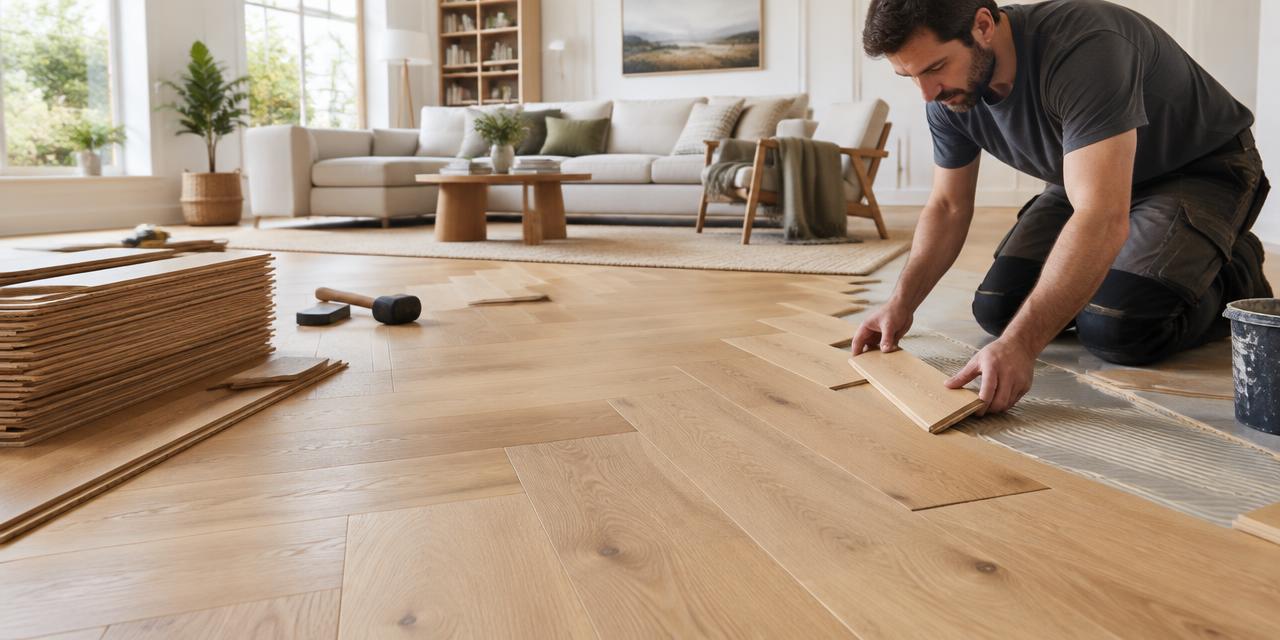
Small project
CHF 3'100 – CHF 7'800
Typical project
CHF 5'800 – CHF 13'700
Large project
CHF 9'800 – CHF 22'700
Computed with our estimator for Delémont (regional factor included), standard finish. Only the project size changes.
9 °C. These conditions, marked by approximately 62 frost days per year and a high heating demand, make the choice and condition of your floors essential for thermal comfort. A worn or poorly insulated floor covering can exacerbate heat loss, making rooms uncomfortable during winter.
Undertaking renovation works allows you not only to modernize the visual appearance of your home but also to gain energy efficiency by integrating an adapted underlayment, which is crucial given the 2931 heating degree days per year in the region.
The ideal time to plan these works is outside of periods of extreme cold. Although interior heating allows for maintaining a stable temperature for the installation of most materials, episodes of intense frost can affect the drying of certain preparation products, such as screed smoothing.
Prefer transitional seasons where managing ambient humidity is easier, which ensures better adhesion of glues and increased durability of your new investment in the long term.
The floor renovation project in Delémont is based on a multitude of technical variables. The first constraint lies in the existing support: whether it is a concrete screed, old tiles, or floating parquet, the state of the base often determines the final cost more than the covering itself.
Leveling the support is essential to avoid premature cracks or irregular wear of the new material. In apartment buildings, sound insulation is a critical step often required by the condominium regulations to ensure neighbor comfort.
This acoustic layer, although invisible, impacts the overall thickness of the floor and the choice of finishing materials.
If your home is equipped with floor heating, the choice of flooring is strictly limited by its heat conductivity. It is imperative to select compatible materials with low thermal resistance so as not to hinder the system.
Materials like ceramic, natural stone, or certain vinyls are excellent, while certain solid woods require specific species to avoid shrinking.
Each product line then offers various options in terms of resistance to traffic, maintenance, and ease of installation, whether clip-on, glued, or floating systems, each requiring different support preparation.
The real estate stock in Delémont presents various challenges depending on the age of the buildings. Buildings erected before 1990 require special vigilance regarding the potential presence of hazardous materials, such as asbestos, often found in old tile adhesives or vinyl tiles from that era.
Before any intervention, it is advisable to have a diagnosis carried out if you have any doubt, to ensure the safety of the workers and occupants.
Older structures also often present problems of rising damp or lack of perimeter insulation, which directly influences the choice of the new floor and the possible need for a vapor barrier membrane.
More recently built buildings generally have more stable screeds and integrated heating networks. However, they are not free from risks, particularly regarding the compatibility of new coverings with low-temperature heating systems.
Floor thermal insulation on the ground floor is a key point for dwellings prior to modern energy standards. It is therefore recommended to inspect the buried piping networks and check the condition of the support before finalizing your choice.
A professional will be able to assess whether the building requires structural compliance before installing the new flooring.
Regarding floor renovation works in Delémont, the majority of floor replacement projects inside a private home do not require a building permit, provided that no structural elements or the purpose of the premises are modified.
However, it is imperative to check if your property is located in a protected area or if it is part of an architectural heritage inventory, as specific restrictions could apply even for interior works.
In case of doubt, a simple call to the municipal urban planning department is enough to confirm if an administrative procedure is necessary.
If you live in a condominium (PPE), the rules are stricter. The condominium regulations may impose precise standards regarding sound insulation to avoid noise nuisances between floors.
Any change in flooring, particularly switching from carpet to hard parquet, must often be submitted for approval to the property manager or the meeting of co-owners to ensure that the community's requirements are met.
Never neglect these preliminary checks, as work carried out without respecting the regulations can lead to restoration obligations at your expense, thus compromising your entire renovation project.
The question of financial aid for floor renovation works is often raised by owners. It is crucial to note that there are currently no specific direct subsidies for simple floor covering replacement.
Public aid mainly focuses on improving the overall energy efficiency of the building, such as replacing windows or thermal insulation of facades.
If your floor change project includes high-performance thermal insulation under the slab as part of a broader energy renovation, check the current cantonal programs before starting your procedures.
In terms of taxation, renovation and maintenance works are generally deductible from your taxable income, which constitutes a significant indirect advantage. For these expenses to be accepted by the tax authorities, it is essential to keep all detailed invoices from the companies involved.
It is strongly advised to validate the eligibility of your work with a tax specialist or the cantonal administration before committing funds.
The golden rule is always to make your subsidy requests or validate your projects before the actual start of the construction site, so as not to lose your rights to potential financial support related to global energy savings.
The process of a floor renovation site in Delémont follows immutable steps that guarantee the quality of the final result. The first phase is the diagnostic, including the verification of humidity and the flatness of the support.
Once the work has started, the removal of the old covering is carried out with care, followed by the cleaning and preparation of the support, including leveling if necessary. This step is crucial, as a poorly prepared support compromises the durability of the new covering.
The drying time of the preparation products must be scrupulously respected before any installation.
The second phase concerns the actual installation of the covering, accompanied by the placement of skirting boards and peripheral finishes. The recommended period for these works is spring or autumn, in order to avoid extreme temperatures.
Although interior heating helps to compensate for external cold, significant thermal variations, especially in winter with frost, can make handling certain materials more complex.
Planning outside of cold peaks greatly facilitates the management of ambient humidity, ensuring optimal installation, particularly for parquet and materials sensitive to hygrometric variations.
To succeed in your floor renovation, avoid the classic error of neglecting the condition of the support under the pretext of wanting to go fast. Forgetting to check the sound insulation in a condominium is another costly mistake that may force you to redo the work.
Never choose a material solely based on its aesthetics without considering compatibility with your floor heating.
Before soliciting companies, prepare your checklist : check the access to the site, list precisely the rooms involved, clarify your expectations in terms of durability, and ask for an evaluation of the sound insulation required by your condominium regulations.
Finally, ensure you have clearly identified the desired material and ask for several detailed quotes to compare the support preparation services included in each offer, which will protect you from budget surprises during the work.
No specific grant listed for this work. Maintenance tax deductions may still apply.
2800 Delémont · about 0 km
Company specializing in masonry, reinforced concrete, and earthworks, also offering industrial automation solutions.
humard.com2800 Delémont · about 0 km
Hofmann Carrelage Sàrl specializes in laying tiles, silicone, and screed for customized projects in the Jura region.
ph-carrelage.ch2800 Delémont · about 0 km
Swiss company based in Delémont specializing in parquet and floor coverings, including blinds, wallpapers, and curtains for interior renovation.
parquets-gardelle.ch2800 Delémont · about 0 km
Construction and renovation company in Delémont, specializing in masonry, sanitary facilities, heating, and turnkey projects in the Jura region.
adsconstruction.chSuggestions from the commercial register by distance and activity. Not an endorsement or partnership.
As a general rule, no permit is required for interior works. However, check your condominium regulations if you live in an apartment building.
Check the thermal resistance of the chosen covering. A material with low resistance is essential to ensure good energy efficiency.
Spring and autumn are ideal. They help avoid the extreme temperatures of mid-winter which can disrupt the drying of materials.
Stop work immediately if you suspect the presence of asbestos. Call a specialist for analysis and compliant asbestos removal.
It is often imposed by condominium regulations to limit noise nuisances. It is highly recommended for your comfort.
Yes, maintenance and renovation works are generally deductible from your taxable income. Keep your invoices well to prove it.
Support preparation (leveling, sanding) often represents a major part of the labor cost. A sound support guarantees the longevity of your floor.