
Malerei Top Demestre
2746 Crémines · about 145.2 km
Specialized company for painting, facade renovation, surface cleaning, and wood treatment for both interior and exterior residential projects.
malerei-top-demestre.comInterior painting · St. Gallen
At a glance
Small project
CHF 2'700 – CHF 6'600
Typical project
CHF 5'000 – CHF 12'000
Large project
CHF 8'400 – CHF 20'100
| Project | Quantity | Low | High | Per unit |
|---|---|---|---|---|
| Small project | 40 m² | CHF 2'700 | CHF 6'600 | CHF 100 |
| Typical project | 80 m² | CHF 5'000 | CHF 12'000 | CHF 100 |
| Large project | 140 m² | CHF 8'400 | CHF 20'100 | CHF 100 |
Computed with our estimator for St. Gallen (regional factor included), standard finish. Only the project size changes.
Included
Not included
In St. Gallen, the federal building register lists 8'987 residential buildings and 43'827 dwellings. These municipal benchmarks help put your home in context, but do not replace an individual assessment.
74 % built before 1980
Construction year does not reveal past renovations: check the current insulation condition.
38 % · Gas
This distribution describes recorded buildings, not your system's consumption or efficiency.
12.8 % of buildings mix housing with shops or offices.
For your renovation projects in St. Gallen, the RegBL data provides essential guidance. With 122 protected heritage buildings out of 147 known, contacting the municipality early is vital for securing building permits. Data regarding house volume is partial, covering only 3 buildings measured under the SIA 416 standard with a median of 805 m3; this metric helps scale your insulation or heating works. Please note that the renovation year is not recorded for any of the 8987 buildings listed in this register, meaning this specific information is currently unavailable for your strategic planning.
Source : OFS — RegBL (export communal complet). Existing residential buildings; percentages of recorded values.
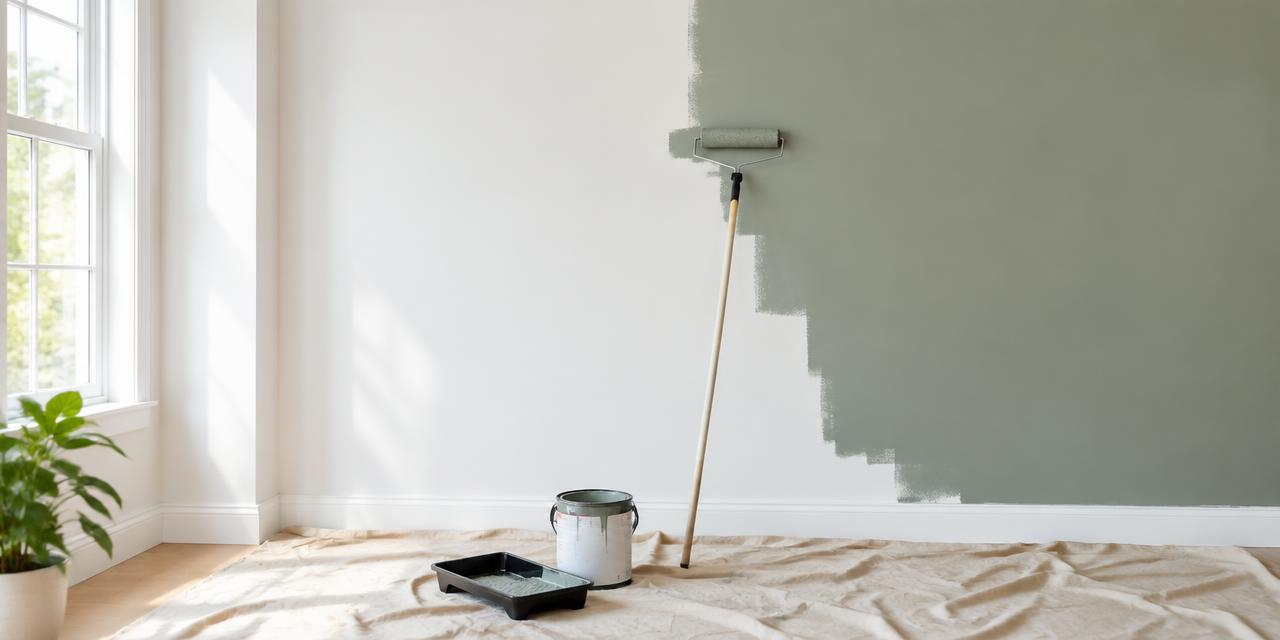
Surface preparation is the most critical stage of your painting project. Filling cracks, sanding, and applying a suitable primer often take up half of the total working time.
A poorly prepared wall will reveal imperfections once the paint is dry, which compromises the final appearance. Take the time to clean surfaces thoroughly and secure edges with quality masking tape.
A sound base guarantees better pigment adhesion and a uniform finish, ensuring the durability of your investment in the canton of St. Gallen.
If you live in an older building in St. Gallen, you should be vigilant before starting work. Certain old paints applied decades ago may contain traces of lead, a metal that is dangerous when inhaled as dust during sanding.
Before any mechanical intervention, it is highly recommended to have your old coatings tested by a professional.
If lead is confirmed, safe stripping methods must be used to protect your health and that of your loved ones throughout the duration of the project.
Financial management for your painting project can be optimized through careful planning. It is often more cost-effective to paint ceilings and walls simultaneously rather than carrying out these tasks separately.
This significantly reduces costs related to furniture protection, coverings, and setting up site equipment. By grouping your tasks, you also minimize travel and cleaning time.
For an accurate estimate tailored to your project, use our free RenoIndex tool to get a clear price range for your upcoming work.
The choice of equipment is crucial for the final quality of your painting. Investing in high-quality rollers and brushes suitable for your wall texture helps avoid brush marks and splatters. In St.
Gallen shops, ask for advice on selecting low-VOC paints to ensure healthy indoor air quality. Protecting floors and door frames is equally important to avoid accidental splashes.
By using professional tools and respecting drying times, you ensure a high-quality aesthetic result for your home.
1. Estimate
Set a budget range with the estimator.
2. Grants
Apply before work starts.
3. Quotes
Compare at least 3 quotes.
4. Permit
Check with the municipality whether a permit is needed.
5. Works
Follow the site and do a written handover.
No specific grant listed for this work. Maintenance tax deductions may still apply.
2746 Crémines · about 145.2 km
Specialized company for painting, facade renovation, surface cleaning, and wood treatment for both interior and exterior residential projects.
malerei-top-demestre.com2746 Crémines · about 145.2 km
L.A Rénovation Lebrun offers versatile renovation services including painting, facade maintenance, and roof repairs.
lebrun-renovation-la.ch2832 Rebeuvelier · about 147.3 km
KD Constructions Sàrl, based in Rebeuvelier, specializes in general building construction and renovation services.
jurabitat.ch2743 Eschert · about 148.8 km
Bâtilook Sàrl provides comprehensive renovation services, from structural work to finishing, in the Jura and Bernese Jura regions.
batilook.chSuggestions from the commercial register by distance and activity. Not an endorsement or partnership.
It is best to paint during temperate periods, in spring or autumn. This allows for easy ventilation to speed up drying without dealing with extreme winter temperatures or the intense summer heat, which can negatively affect paint quality.
The price depends on the total surface area, the condition of the walls, and the quality of the products chosen. To get a realistic estimate in St. Gallen, we recommend using our free RenoIndex tool, which provides a precise price range in CHF for your specific needs.
For standard interior painting, no municipal permit is required. However, if your apartment is in a listed or protected building in the canton of St. Gallen, it is recommended to check if specific aesthetic constraints apply before making drastic color changes.
Light sanding between coats is recommended to achieve a smooth and perfect finish. This removes small imperfections or dust particles that may have adhered during drying. Ensure you carefully dust the surface after sanding to guarantee the adhesion of the next coat.