
SELIMI Peinture SA
1214 Vernier · about 0 km
Selimi Peinture SA in Vernier specializes in painting, plastering, facade renovation, and interior decoration for private and commercial clients in Geneva.
selimi-peinture-sa.chInterior painting · Vernier
Small project
CHF 3'000 – CHF 7'400
Typical project
CHF 5'600 – CHF 13'500
Large project
CHF 9'500 – CHF 22'600
Computed with our estimator for Vernier (regional factor included), standard finish. Only the project size changes.
With an altitude of 441 meters and approximately 54 frost days per year, the climate in Vernier requires careful habitat management. Undertaking interior painting works not only refreshes aging decoration but also sanitizes surfaces potentially damaged by the heating cycles needed during winter.
5°C and heating requirements highlight the importance of maintaining walls in good condition to optimize thermal comfort.
The ideal period for interior painting works is generally outside of deep winter, when natural ventilation is easier. Successful application requires stable humidity and temperature conditions, thus avoiding drying defects.
By renovating your interior, you protect your walls from condensation effects and preserve the indoor air quality, a crucial aspect in the dense residential areas of Vernier.
The success of a painting project in Vernier largely depends on technical choices made upstream. The first element is the preparation of supports: filling cracks and thorough sanding often account for half of the working time.
It is essential to choose paint adapted to the nature of your walls, whether plaster, concrete, or old masonry. The range of products (acrylic, oil-based, natural, or insulating paints) must be selected according to the room's function and exposure.
A strategic option consists of painting ceilings and walls during the same phase. This approach significantly reduces costs associated with floor protection, installing scaffolding or ladders, and final cleaning.
Also, consider the durability of the chosen paints : high-quality products offer better resistance to washing and daily marks, reducing the frequency of future renovations.
Vernier has an architectural history marked by the rapid development of large residential complexes like Le Lignon and Les Avanchets, mainly built before 1975. In buildings dating from these eras, owners must exercise great vigilance.
The main risk lies in the potential presence of harmful substances, notably lead in old paints, common before the 1990s. Before any heavy intervention like dry sanding, it is imperative to have your surfaces analyzed by a professional to rule out any health risk.
Beyond these materials, electrical networks and insulation systems of buildings from this period require a thorough examination before starting work. Lightweight partitions, common in these large complexes, have specific acoustic and thermal properties that should not be altered.
In case of doubt about the composition of your walls or the presence of old materials, call on an expert to diagnose risks before proceeding with painting, thus ensuring a safe site for all occupants.
For the majority of interior painting works, no authorization is required. However, if your project includes structural changes, the replacement of joinery, or interventions on listed facades, the situation changes. The canton of Genève imposes strict rules via the Office of Urbanism.
If your property is located in a protected heritage zone, any external modification must be validated by the competent authorities.
Although interior painting is generally unrestricted, always check with the municipality of Vernier if your building is subject to specific protection that could influence the overall renovation.
It is strongly advised to contact the Office of Urbanism or municipal services before launching major works. This is even more important if you plan wider works coupled with painting, such as installing energy equipment, which are subject to specific procedures (construction permit or prior declaration).
Knowledge of zoning laws and heritage constraints will help you avoid unnecessary administrative complications during the project.
Regarding taxation, it is useful to know that the communal tax coefficient in Vernier is set at 50. For owners, expenses related to maintenance and renovation can, under certain conditions, be deducted from taxable income in the annual tax return.
It is therefore essential to carefully keep all detailed invoices from the companies involved. Note that these deductions apply to works maintaining the value of your property.
Concerning direct aid, no specific grants are currently listed for interior painting works alone. However, within the framework of global energy renovation, cantonal or federal programs may exist.
If you are planning a complete renovation (insulation, windows, heating), contact the competent bodies before signing any quote or starting the works. The golden rule remains the same for all aids: make your request before starting the work.
Once the work is finished, it is usually too late to apply for financial support, as authorities require prior planning to validate the project's eligibility.
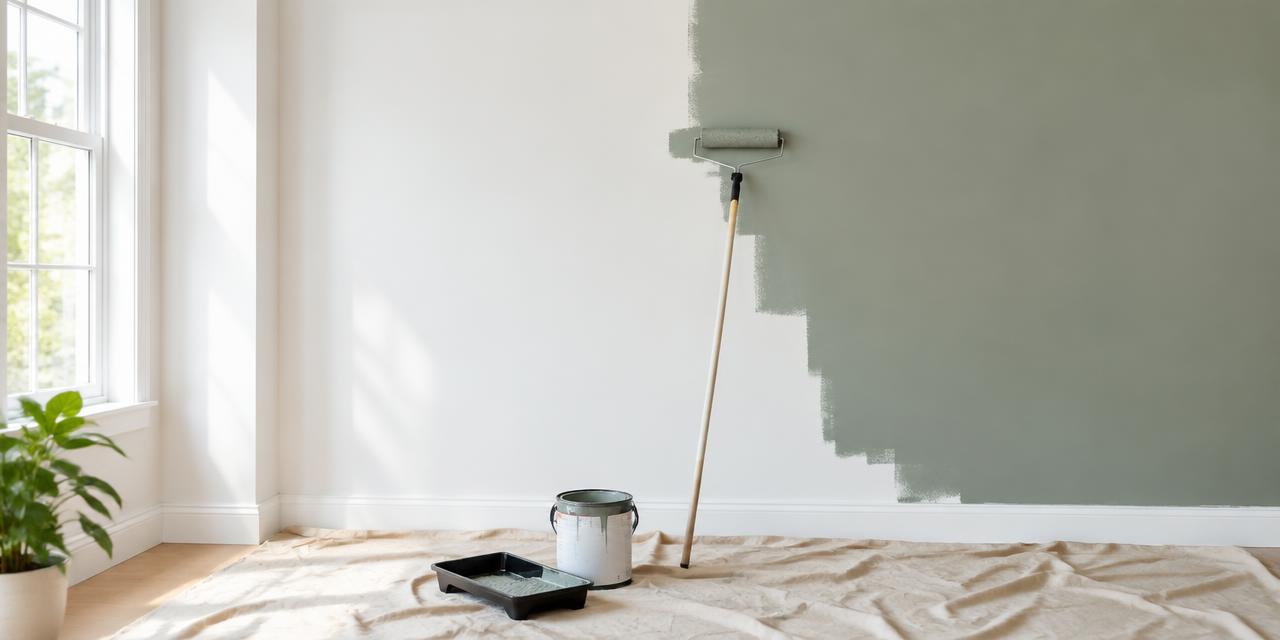
An interior painting project follows a structured logic. The first phase is the analysis of supports, followed by a crucial protection phase (covering, masking). Once this is done, the professional proceeds with preparatory works: filling holes, sanding, and applying a primer.
Then comes the painting phase itself, with the application of finishing coats on ceilings and then walls.
Regarding seasonality, although the work is indoors, ambient temperature plays a role. In Vernier, with winter temperatures sometimes dropping below zero and 54 frost days, it is better to plan works when heating is less in demand to maintain an ideal humidity for drying paints.
An environment that is too dry or too humid can compromise the quality of the final result. Finally, always allow for a sufficient drying and ventilation period after the works are finished before fully reoccupying the renovated spaces, which allows odors to dissipate and the coating to stabilize.
To avoid disappointment, ensure you have a clear vision of your needs. Never neglect the initial diagnostic phase, especially if you suspect the presence of old materials or lead in existing paints.
A common error consists of trying to save money by skipping the preparation of supports, which will inevitably lead to a disappointing result. Likewise, underestimating the protection of floors and furniture can lead to costly damage.
Before requesting your quotes, check the following points : Have you precisely identified the areas to paint (ceilings and walls together)? Have you had the general state of the supports verified? Have you clarified the products used with the craftsman (environmentally friendly, washability)?
Ensure the quote explicitly includes site protection and final cleaning. Finally, do not just ask for a price, but demand a detailed description of the planned preparation stages.
No specific grant listed for this work. Maintenance tax deductions may still apply.
1214 Vernier · about 0 km
Selimi Peinture SA in Vernier specializes in painting, plastering, facade renovation, and interior decoration for private and commercial clients in Geneva.
selimi-peinture-sa.ch1214 Vernier · about 0 km
Geneva-based company specializing in painting, plastering, and decorative staff, offering custom finishes and restoration of historic ornaments.
artdecors.ch1214 Vernier · about 0 km
Vernier-based company specializing in painting, plastering, tiling, and renovation after water damage.
renovappartsa.ch1214 Vernier · about 0 km
Dino Peinture SA is a Geneva-based company specializing in plastering, interior painting, and facade maintenance.
dinopeinture.chSuggestions from the commercial register by distance and activity. Not an endorsement or partnership.
In principle, no, interior painting works are not subject to a construction permit. It is, however, advisable to check with the municipality in the case of a listed or protected building.
The duration depends on the condition of the supports and the surface area. Meticulous preparation, often essential, represents a significant part of the total time.
In buildings constructed before 1990, paints may contain lead. It is crucial to have the supports diagnosed before any sanding.
Yes, it reduces the costs of protecting the premises and setting up work equipment. It also allows for visual uniformity of the space.
Direct aid for painting alone is non-existent, but programs may exist for global renovations. Always ask before starting.
It is best to avoid periods of deep cold, as heating is intense and indoor air can become too dry. Prefer milder seasons for better ventilation.
Works maintaining the value of your property are generally deductible. Keep all your detailed invoices for your annual tax return.
Source : INFORMATIONS STATISTIQUES - MOUVEMENT DE LA CONSTRUCTION EN 2023 · estimate
Source : S0