
E. Vauclair SA
2504 Biel/Bienne · about 24 km
Operating in Biel/Bienne since 1948, E. Vauclair SA provides plumbing, heating and solar installations, architectural sheet metalwork, roofing and flat roof renovation.
vauclair.chSolar water heating · Bern
At a glance
Small project
CHF 9'400 – CHF 21'900
Typical project
CHF 12'100 – CHF 28'000
Large project
CHF 16'500 – CHF 38'000
| Project | Quantity | Low | High | Per unit |
|---|---|---|---|---|
| Small project | 3 m² | CHF 9'400 | CHF 21'900 | CHF 5'100 |
| Typical project | 6 m² | CHF 12'100 | CHF 28'000 | CHF 3'200 |
| Large project | 11 m² | CHF 16'500 | CHF 38'000 | CHF 2'400 |
Computed with our estimator for Bern (regional factor included), standard finish. Only the project size changes.
Included
Not included
In Bern, the federal building register lists 13'686 residential buildings and 79'038 dwellings. These municipal benchmarks help put your home in context, but do not replace an individual assessment.
89 % built before 1980
Construction year does not reveal past renovations: check the current insulation condition.
44 % · Gas
This distribution describes recorded buildings, not your system's consumption or efficiency.
| Energy | Heating | Hot water |
|---|---|---|
| Gas | 44 % | 34.8 % |
| Heating oil | 31 % | 22.6 % |
| District heating | 8 % | 6.1 % |
| Heat pump | 13 % | 9.7 % |
| Electricity | 1 % | 23.5 % |
| Wood | 3 % | 2.1 % |
| Solar thermal | 0 % | 1 % |
Each line gives the share of buildings using that energy, separately for heating and for hot water. The two columns do not always reach 100%: some buildings combine two systems, or reported none.
A standard non-condensing boiler is usually older and less efficient.
16.4 % of buildings mix housing with shops or offices.
For your renovation plans in Bern, the RegBL data provides essential context. Heritage protection applies to 5 identified buildings, requiring early contact with the municipality to secure necessary permits. Regarding building volume, the median is 770 m3 based on the SIA 416 standard, though these measurements cover only 20 out of 4279 houses. This partial data significantly impacts how you assess the scale of heating or insulation works. Please be aware that the limited data coverage means these figures serve as a general guide, and professional verification of your specific property details is recommended for accurate budget planning.
Source : OFS — RegBL (export communal complet). Existing residential buildings; percentages of recorded values.
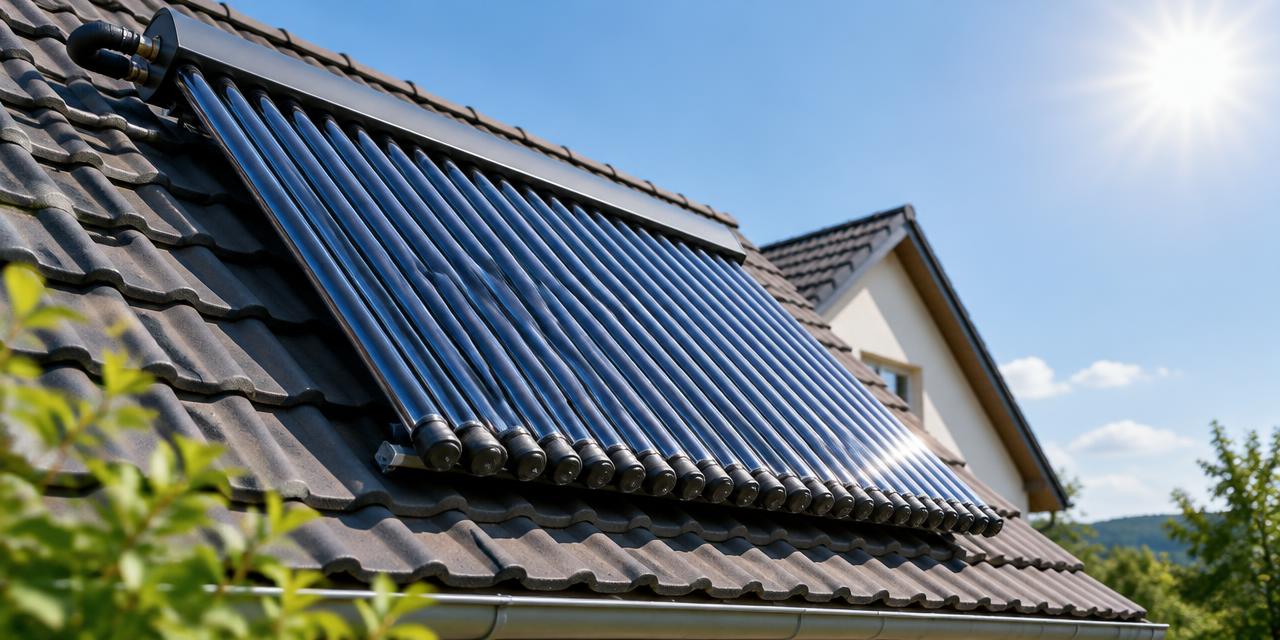
Solar thermal collectors allow for the sustainable production of hot water. During the summer period, these systems usually cover a large part, if not all, of your hot water needs.
This technology transforms solar radiation into clean heat, thereby decreasing your reliance on fossil fuels or electricity. By installing such a system in Bern, you contribute actively to the energy transition while saving on your heating bills.
It is a robust solution that requires little maintenance over the long term for optimal comfort.
The success of a solar water heating installation relies on rigorous sizing. If you plan to combine your collectors with a heat pump, a professional sizing study is essential.
This step ensures that both systems work in perfect synergy, maximizing the overall energy efficiency of your building. Proper sizing avoids summer overheating and guarantees stable production throughout the year.
Experts recommend analyzing your consumption habits before validating the necessary collector surface area for your household in Bern.
Although municipal rules may vary, it is advisable to check the cantonal programs of the Canton of Bern before starting your work. These grants aim to encourage sustainable renovations.
It is crucial to submit your application before starting work to be eligible. To estimate the net cost of your project after deductions, use our RenoIndex tool.
When it comes to renovating your hot water system, the quality of the installation outweighs the initial cost. Choose certified components and ensure the installer has the necessary skills for roof mounting.
In Bern, it is important to take into account your roof orientation and surrounding shading to optimize collector yield. Do not neglect periodic maintenance of the hydraulic circuit.
By carefully planning your work, you will ensure maximum longevity for your installation and lasting satisfaction. Do not forget to consult RenoIndex for a reliable budget estimate.
1. Estimate
Set a budget range with the estimator.
2. Grants
Apply before work starts.
3. Quotes
Compare at least 3 quotes.
4. Permit
Check with the municipality whether a permit is needed.
5. Works
Follow the site and do a written handover.
No specific grant listed for this work. Maintenance tax deductions may still apply.
2504 Biel/Bienne · about 24 km
Operating in Biel/Bienne since 1948, E. Vauclair SA provides plumbing, heating and solar installations, architectural sheet metalwork, roofing and flat roof renovation.
vauclair.ch1763 Granges-Paccot · about 28.5 km
Swiss Therm installation Sàrl specializes in sanitary installations, heating systems, ventilation, air conditioning, and solar panels.
swiss-therm.ch1763 Granges-Paccot · about 28.5 km
Based in Granges-Paccot, Cossa Cotting Sanitaires SA provides plumbing and heating installations, bathroom renovations, and maintenance and repair of these systems.
cossa-cotting.ch1700 Fribourg · about 28.7 km
Fribourg-based company specializing in tinwork, roofing, plumbing, heating systems, and solar panel installations.
jr-sarl.chSuggestions from the commercial register by distance and activity. Not an endorsement or partnership.
Conditions depend on the specific guidelines of the Canton of Bern at the time of your application. Generally, you must submit a complete file before work begins. It is imperative to comply with the technical standards in force.
Yes, it is entirely possible to combine solar with a heat pump or a wood boiler. A sizing study is, however, highly recommended to ensure optimal and economical operation of the entire system.
A well-maintained installation generally has a lifespan of 20 to 25 years. Regular maintenance of the heat transfer fluid and mechanical components helps ensure this longevity while maintaining high energy efficiency.
To get a realistic price range in CHF, you can use our RenoIndex estimator. This free tool allows you to evaluate your renovation budget quickly and simply, taking into account common technical specifications for the Canton of Bern.