
Canton
Facade insulation — Neuchâtel
Per cantonal schedule.
Neuchâtel grants for energy renovation of the building envelope.
www.leprogrammebatiments.chRoof renovation · La Chaux-de-Fonds
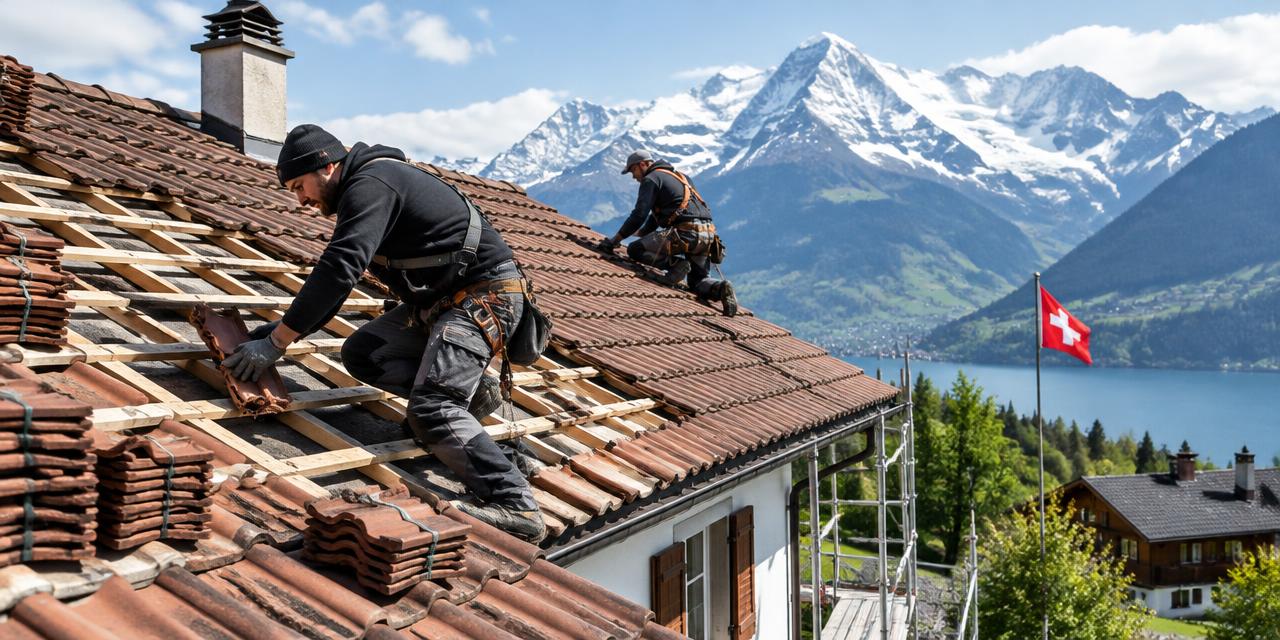
Small project
CHF 14'900 – CHF 34'200
Typical project
CHF 27'000 – CHF 59'500
Large project
CHF 45'100 – CHF 97'400
Computed with our estimator for La Chaux-de-Fonds (regional factor included), standard finish. Only the project size changes.
3 °C. The building stock is subjected to harsh conditions due to snow loads and frequent freeze-thaw cycles, which accelerate the wear of roofing materials.
Renovation becomes imperative when signs of fatigue, such as porous tiles, repeated leaks, or degradation of the waterproofing, become visible in order to prevent major structural damage to the roof frame.
Furthermore, the high heating requirements (3824 Kj/year) make thermal optimization of the roof essential to reduce heat loss. Insulating the roof at the same time as the roofing is a strategy often eligible for the Building Program, allowing for better overall energy efficiency.
A well-maintained roof is the primary defense against the harsh climate of the canton of Neuchâtel, ensuring the building's durability while improving indoor comfort during the long winters.
The choice of roofing materials must imperatively take altitude into account. In alpine or pre-alpine environments, high-density terracotta tiles or slates are often favored for their exceptional weather resistance.
If you are planning a complete renovation, the choice of high-performance insulation is crucial to meet current sustainability standards while taking into account the thickness available under the roof. Air tightness must be treated with the utmost care, as it limits heat loss.
Furthermore, the installation of photovoltaic solar panels is an option to consider, especially with a production potential estimated at 1148 kWh/kWc/year. However, if solar panels are installed, their removal and reinstallation must be rigorously budgeted during the planning of roofing work.
The combination of reinforced insulation and renewable energy production transforms the roof into an energy asset. It is essential to consult local professionals who master these technical constraints related to frost and snow loads to ensure the longevity of your investment.
La Chaux-de-Fonds possesses a unique architectural heritage, characterized by buildings of various styles, often built before 1990. These old structures present particular renovation challenges, notably the potential presence of asbestos in old roofing or insulation materials.
It is imperative to carry out a full diagnosis before starting any work. The structure of old roof frames also requires a thorough inspection to verify the condition of the wood, which may have been subjected to moisture or biological infestations over the decades.
Electrical and ventilation networks integrated into old roofs often require a complete upgrade when replacing the roofing. In addition, thermal insulation is often non-existent in the attics of buildings constructed at the beginning of the century.
Modernization therefore requires a complete rethink of how to handle thermal bridges. By working with experts accustomed to the Neuchâtel building style, you ensure that you meet technical requirements while preserving the structural integrity of your home.
In La Chaux-de-Fonds, roofing regulations depend closely on your property's location.
For solar installations, a simplified procedure is in place : a simple notice to the competent municipal or cantonal authority is generally sufficient, about twenty days before work begins, provided the installation is sufficiently adapted and located in the building zone.
This procedure replaces the traditional building permit for projects not subject to specific protections.
However, it is crucial to check whether your building is listed or located within a protected perimeter, notably ISOS zones with conservation objective A. In these cases, strict constraints apply both to materials and the roof's aesthetics.
It is highly recommended to consult the municipal planning services before any detailed planning. A proactive approach will save you from administrative complications and guarantee your project's compliance with local heritage.
Financing a roof renovation benefits from incentive mechanisms. The municipal energy fund allocates specific resources, with a minimum annual allocation, to support the energy renovation of energy-intensive buildings. It is imperative to check your project's eligibility before starting work.
In addition, the canton of Neuchâtel offers subsidies via the Building Program for the insulation of the facade and the building envelope, of which the roof is a part.
On the tax side, investments intended to save energy and protect the environment are deductible from your taxable income. If these expenses cannot be fully deducted in the year they are invoiced, they can be carried forward to the two following tax years.
However, be aware : if you choose the flat-rate deduction for maintenance (10% or 20% depending on the building's age), you cannot deduct the actual costs. A comparative analysis with a tax expert or verification with the tax authorities is recommended to optimize your situation.
Planning a roof site in La Chaux-de-Fonds must take into account high-altitude weather conditions. The ideal period is between spring and early autumn, in order to avoid the risks related to heavy frost which complicates the installation of certain materials.
The first step is always to obtain the necessary permits before starting any project. Then, the site generally begins with the installation of safety equipment, followed by the removal of the old roofing.
Once the roof is exposed, framing and insulation work take place to ensure a sealed and high-performance envelope. The final phase consists of laying the new roofing and integrating finishes, including ventilation elements or any potential solar panels.
Respecting the steps is paramount : any rushing during the sealing phases can cause irreversible damage if a frost period occurs prematurely. Regular follow-up with your site manager allows you to adjust the schedule according to local climatic hazards.
One of the most frequent mistakes is neglecting thermal insulation when changing the roof, which deprives the owner of financial aid and long-term energy savings.
Another classic mistake is to underestimate the need for a structural study for the roof frame, especially before adding solar panels which increase the load. Never ask for quotes without having precisely defined your technical needs and checked the heritage constraints of your plot.
Here is an essential checklist before launching your calls for tenders: - Check the energy class of your current roof. - Identify if your building is protected as heritage. - Ask the professional if the removal/reinstallation of solar panels is included.
- Confirm that the quote includes waste management costs (potential asbestos). - Ensure that the insulation meets the standards of the Building Program. - Check the availability of municipal and cantonal subsidies. - Plan work outside the period of intense frost. - Require a ten-year warranty on the waterproofing.
Per cantonal schedule.
Neuchâtel grants for energy renovation of the building envelope.
www.leprogrammebatiments.chCheck amounts and conditions with the provider before signing: apply before work starts in most cases.
2300 La Chaux-de-Fonds · about 0 km
L'Atelier 39 specializes in villa construction, apartment renovations, and carpentry, roofing, and window installation in La Chaux-de-Fonds.
latelier39.ch2300 La Chaux-de-Fonds · about 0 km
Wegmüller et fils is a company based in La Chaux-de-Fonds specializing in construction and renovation work for over 25 years.
wegmulleretfils.ch2300 La Chaux-de-Fonds · about 0 km
Opus Planification SA specializes in construction management, planning, and full building renovations in La Chaux-de-Fonds.
opusplanification.ch2300 La Chaux-de-Fonds · about 0 km
Specialist in timber framing, carpentry, and innovative structures such as CLT buildings and wooden elevator shafts.
edifice-bois.chSuggestions from the commercial register by distance and activity. Not an endorsement or partnership.
It depends. A notice is sufficient for solar installations, but a permit is required if your building is protected or listed.
No, Building Program aid must be requested before work begins to be valid.
Snow load and numerous frost days require more resistant materials and high-performance insulation.
Yes, energy-saving expenses not deducted in year N can be carried forward to the two following tax years.
It allocates funds to support the energy renovation of energy-intensive buildings according to specific criteria.
Yes, the removal and reinstallation of solar panels must imperatively be included in your renovation budget.
Buildings located in ISOS perimeters with conservation objective A are subject to strict aesthetic constraints.
Source : swisstopo – service d'altitude (MNT)
Source : Open-Meteo Historical Weather API (réanalyse ERA5, moyenne 2015-2024)
Source : Open-Meteo Historical Weather API (réanalyse ERA5, moyenne 2015-2024)
Source : Open-Meteo Historical Weather API (réanalyse ERA5, moyenne 2015-2024)
Source : Open-Meteo Historical Weather API (réanalyse ERA5, moyenne 2015-2024)
Source : Open-Meteo Historical Weather API (réanalyse ERA5, moyenne 2015-2024)
Source : Ville de La Chaux-de-Fonds
Source : azprojet.ch
Source : SCCO_I772_Notice4_PP.pdf
Source : Ville de La Chaux-de-Fonds
Source : Open-Meteo Historical Weather API (réanalyse ERA5, moyenne 2015-2024) · estimate