
Canton
Facade insulation — Neuchâtel
Per cantonal schedule.
Neuchâtel grants for energy renovation of the building envelope.
www.leprogrammebatiments.chFacade insulation · La Chaux-de-Fonds
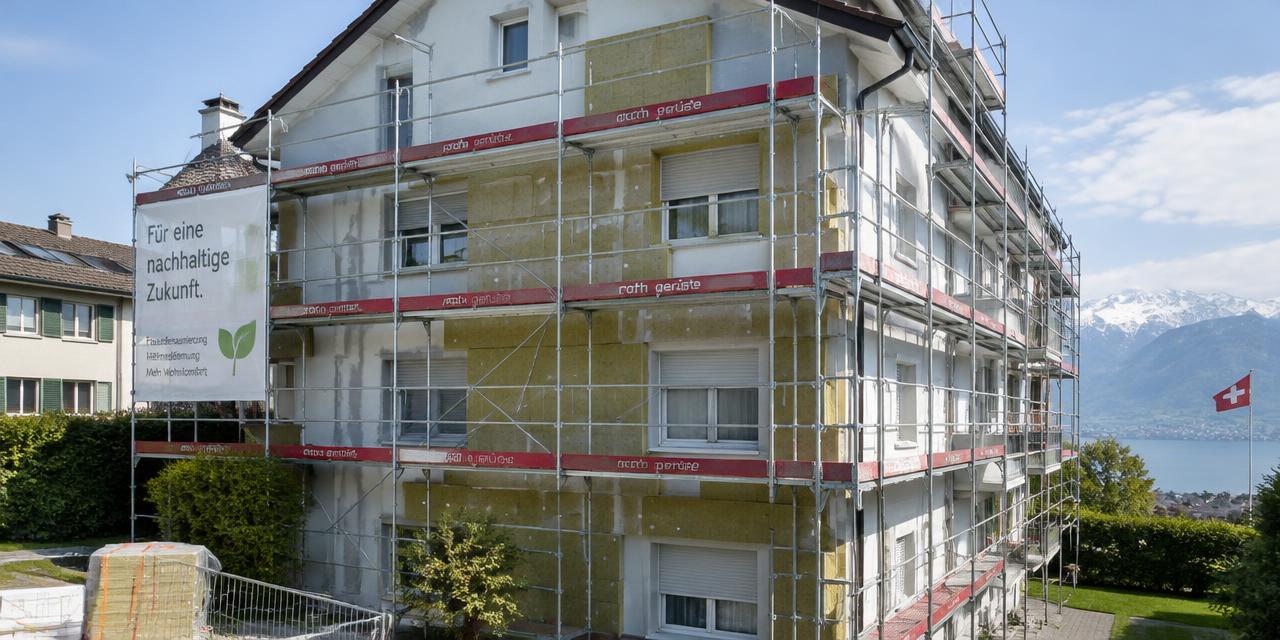
Small project
CHF 18'200 – CHF 37'600
Typical project
CHF 33'500 – CHF 66'400
Large project
CHF 56'500 – CHF 109'500
Computed with our estimator for La Chaux-de-Fonds (regional factor included), standard finish. Only the project size changes.
3 °C and about 100 days of frost per year.3 °C and high heating needs, facade insulation becomes an essential lever. The building envelope is the primary defense against heat loss.
It is wise to undertake insulation work when your energy bills increase abnormally or indoor comfort decreases. External insulation also protects the building structure from repeated thermal shocks due to the harsh local climate.
Intervention adds value to your property while durably reducing your dependence on heating systems.
The choice of insulation system depends on the nature of the walls and energy performance goals. External Thermal Insulation Composite Systems (ETICS) allow for the elimination of thermal bridges while retaining the inertia of interior walls.
Several ranges of materials are available, from mineral insulation to bio-sourced solutions, each offering different water vapor permeability properties.
It is essential to integrate these choices into a global vision for the facade, including plaster, finishes, and the adaptation of window sills. The durability of the selected system will depend on the quality of the installation and the compatibility of materials with the existing substrate.
Reflection on ventilation is necessary, as insulating the building makes it more airtight against natural air exchange.
The building stock of La Chaux-de-Fonds is characterized by great diversity, ranging from watchmaking buildings to single-family homes from various eras. Before any intervention, it is crucial to analyze the condition of the substrate.
Old buildings may have specificities related to moisture management or the presence of old materials requiring professional diagnosis before work begins.
Existing networks, such as recessed pipes or facade attachments (blinds, signs), must be identified. The structure of the walls must support the weight of the new insulation system without risk of cracking. A preliminary diagnosis helps avoid issues related to residual moisture.
For old buildings, the choice of breathable systems is often recommended to preserve the health of the walls.
Facade insulation changes the building's exterior appearance, which almost always requires a building permit. The city of La Chaux-de-Fonds applies strict rules, particularly for protected cultural properties or ISOS perimeters with protection objective A.
It is imperative to check the protection status of your property before any planning.
the municipality distinguishes between permit-required installations to ensure compliance with the local architectural identity. Submission of a complete file to the competent authority is required.
Never start work without having obtained formal authorization, as sanctions can be severe and the removal of non-compliant insulation may be required. Early contact with the urban planning department is highly recommended to validate the compatibility of your aesthetic choices with the built landscape.
The canton of Neuchâtel offers subsidies for energy renovation of the building envelope, according to the building program scale. It is crucial to note that a subsidy application must be submitted before the start of work.
In parallel, the municipality may have a municipal energy fund to support the renovation of energy-intensive buildings. Always check current eligibility criteria.
Regarding taxation, investments intended to save energy are deductible from taxable income. If these costs result in a negative net income in the year of invoicing, they can be carried forward to the two following fiscal years.
Note that you can choose between deducting actual costs or a flat-rate deduction for the maintenance of your properties, but both cannot be combined for the same object. The tax authorities determine the carry-forward costs according to current cantonal rules.
The typical process for facade insulation begins with the preparation phase, including technical studies, permit applications, and subsidy research. Once the permit is obtained, the site is organized around the installation of scaffolding, which occupies a central place in the project's logistics.
It is advisable to group facade insulation with window replacement or roof renovation to optimize scaffolding costs.
The installation season must take into account the weather conditions of La Chaux-de-Fonds. Plastering and bonding work require mild temperatures to ensure optimal setting and avoid risks associated with frost. Avoid periods of extreme cold, as frost can compromise the quality of the final result of external plasters.
Careful planning with your specialized contractor helps secure deadlines according to your specific project schedule.
A common mistake is neglecting the impact of insulation on indoor ventilation, which can lead to condensation problems. Before requesting quotes, ensure you have a clear vision of the planned work.
Verify that your facade is compatible with the chosen installation system and that specific points like roof overhangs are well thought out. Do not sign any contract before obtaining your authorizations.
Here is a checklist for preparing your quotes : ensure you have obtained all necessary building permits before launching price requests. Check subsidy eligibility conditions and submit your application before starting work. Request multiple detailed quotes and compare them based on the same technical services.
Check if you can group the insulation with other work such as changing windows to optimize scaffolding installation costs. Finally, ask for references of similar projects completed by the company in the region.
Per cantonal schedule.
Neuchâtel grants for energy renovation of the building envelope.
www.leprogrammebatiments.chCheck amounts and conditions with the provider before signing: apply before work starts in most cases.
2300 La Chaux-de-Fonds · about 0 km
Family business since 1980 specializing in plastering, interior painting, external thermal insulation, facade renovation, and floor marking.
flpp.ch2300 La Chaux-de-Fonds · about 0 km
Loova is a renovation company based in French-speaking Switzerland that offers turnkey solutions for interiors and energy-related refurbishments.
loova.ch2300 La Chaux-de-Fonds · about 0 km
Opus Planification SA specializes in construction management, planning, and full building renovations in La Chaux-de-Fonds.
opusplanification.ch2300 La Chaux-de-Fonds · about 0 km
Specialized company for interior and exterior painting as well as facade renovation and small masonry work in La Chaux-de-Fonds.
ecoswissrenovation.chSuggestions from the commercial register by distance and activity. Not an endorsement or partnership.
Yes, insulation changes the exterior appearance of the building and requires a building permit. Always check your status with the municipal urban planning department.
The subsidy application must be submitted before the start of work. A late application will make your project ineligible for financial support.
Not necessarily. Feasibility depends on the condition of the substrate and possible heritage constraints related to site protection.
The assembly and disassembly of scaffolding are expensive. Grouping facade, roof, and windows helps optimize these fixed costs.
Energy saving costs are deductible from taxable income. They can be carried forward for two years if the deduction exceeds net income.
With 100 days of frost, plastering work in winter should be avoided. Frost can compromise the quality and durability of the coating.
The timeframe varies depending on the complexity of the project, but you must allow for processing time. Contact the municipal authority early to assess deadlines.
Source : swisstopo – service d'altitude (MNT)
Source : Open-Meteo Historical Weather API (réanalyse ERA5, moyenne 2015-2024)
Source : Open-Meteo Historical Weather API (réanalyse ERA5, moyenne 2015-2024)
Source : Open-Meteo Historical Weather API (réanalyse ERA5, moyenne 2015-2024)
Source : Open-Meteo Historical Weather API (réanalyse ERA5, moyenne 2015-2024)
Source : Open-Meteo Historical Weather API (réanalyse ERA5, moyenne 2015-2024)
Source : Ville de La Chaux-de-Fonds
Source : azprojet.ch
Source : SCCO_I772_Notice4_PP.pdf
Source : Ville de La Chaux-de-Fonds