
Canton
Heat pump grant — Geneva
Flat rates and percentages depend on the replaced system; check with the cantonal energy office.
Geneva cantonal support for replacing oil or gas heating with renewable systems (heat pumps).
www.ge.chHeat pump installation · Vernier
Small project
CHF 32'900 – CHF 60'300
Typical project
CHF 41'600 – CHF 77'500
Large project
CHF 54'600 – CHF 103'300
Computed with our estimator for Vernier (regional factor included), standard finish. Only the project size changes.
Vernier, labeled Energy City Gold, is actively committed to a 2000-Watt society.9°C and approximately 54 frost days per year, choosing an efficient heating system is crucial for thermal comfort.
Replacing a fossil fuel boiler is becoming not only an environmental necessity but also a pragmatic one to anticipate future cantonal regulatory requirements.
It is wise to undertake these works before your current installation breaks down. By planning the replacement in advance, you avoid emergency situations and can optimize your heat pump configuration to the actual needs of your home, while benefiting from the support of local energy transition programs.
Before any decision, systematically check if your geographic area can be connected to the 'CAD des Ranches' heating network or a priority network.
9°C, ensuring optimal operation during the coldest periods. Several technologies are available: air-water systems are most common for renovations, while geothermal heat pumps can be considered if subsoil conditions allow.
The choice of range will depend on the power required to meet your heating and domestic hot water needs.
Among the options, intelligent control and compatibility with photovoltaic panels (with an estimated yield of 1213 kWh/kWc/an) can significantly improve the overall efficiency of your system.
Remember that outdoor units must be installed in strict compliance with noise limits towards neighbors, in accordance with the Ordinance on Protection against Noise (OPB). A specialized acoustics office is often required to validate these technical aspects during the study phase.
Vernier possesses a varied real estate heritage, ranging from large housing estates built before 1975, such as Le Lignon or Les Avanchets, to more recent single-family homes.
If your building dates from before 1990, it is imperative to anticipate the potential presence of polluting materials, such as asbestos, when working on distribution networks.
Reinforced thermal insulation is often a necessary prerequisite before installing a heat pump to ensure that the device's power remains consistent with actual heat losses.
The performance of your future installation will depend closely on the state of the internal heating network and the insulation of your building envelope.
For older buildings, a preliminary energy analysis helps determine if a comprehensive renovation, including optimization of underfloor heating or low-temperature radiators, is recommended. These steps ensure the longevity of the system and a notable reduction in your energy bill over the long term.
Any heat pump installation in Vernier must comply with the Genevan legal framework, including the Energy Law (Le). For power ratings exceeding 10 kW, a building permit issued by the Office of Urban Planning is mandatory.
For installations of 10 kW or less, a prior declaration is sufficient, accompanied by an acoustic compliance certificate. These steps ensure that your project respects environmental and neighborhood standards.
If your building is located in a heritage protection zone, specific constraints apply, particularly regarding the visual integration of the outdoor unit.
Although indoor installations are subject to the LCI, it is advisable to contact the municipal services beforehand to verify the compliance of your project with the LCI application regulations. The Office of Urban Planning remains the competent authority to validate the compliance of your file before starting work.
The transition to renewable energy in Geneva is supported by cantonal subsidies. These grants, managed by the OCEN, take the form of flat rates and percentages that vary depending on the heating system replaced, particularly when switching from oil or gas to a heat pump.
It is imperative to submit your grant application before starting work, otherwise your file will be ineligible for financial support.
The Energy Law requires that 100% of the heat must be of renewable origin when replacing an installation, except where technical or financial constraints prevent this objective. In such exceptional cases, a minimum of 20% renewable energy is required, with mandatory compensatory measures.
Please inquire directly on the OCEN website to learn about the details of the grant programs and check the application conditions specific to your situation.
A heat pump installation project is broken down into several key stages. It all starts with an energy audit of your home and a request for quotes. Once the offer is chosen, the administrative phase begins with the building permit application or the prior declaration to the authorities.
It is advisable to anticipate these steps several months in advance to avoid periods of high winter demand.
The actual installation of the device is generally carried out during periods when heating is not essential, in order to minimize inconvenience. The hydraulic connection, electrical installation, and acoustic performance tests constitute the final phase before commissioning.
The respect of deadlines will depend on the complexity of your installation and the availability of specialized companies. Ensure that the installer provides training on how to use your new system after commissioning to guarantee optimal efficiency.
The main mistake is to neglect the overall thermal insulation before sizing the heat pump, which often leads to an oversized device. Never underestimate the acoustic constraints for the neighborhood and systematically check protected heritage zones before validating the location of the outdoor unit.
Before requesting quotes, ensure your project complies with the 100% renewable requirements of the cantonal law.
Checklist before your requests : 1. Check if your neighborhood can be connected to a priority district heating network. 2. Obtain a recent energy audit to know the actual required heat output. 3. Identify the installation location to respect noise distances towards neighbors. 4.
Prepare all documents necessary for your grant application to the OCEN. 5. List potential additional work, particularly on heat emitters such as radiators.
A well-maintained heat pump is the key to ensuring its long-term durability and maintaining optimal energy performance. It is highly recommended to enter into a maintenance contract with an approved installer, providing for an annual check of the refrigeration circuit, mechanical components, and electronic settings.
This preventive maintenance allows for the detection of potential leaks or premature wear of components before they impact the thermal comfort of your home.
Beyond technical intervention, regular monitoring of system parameters by the user helps maintain high energy efficiency.
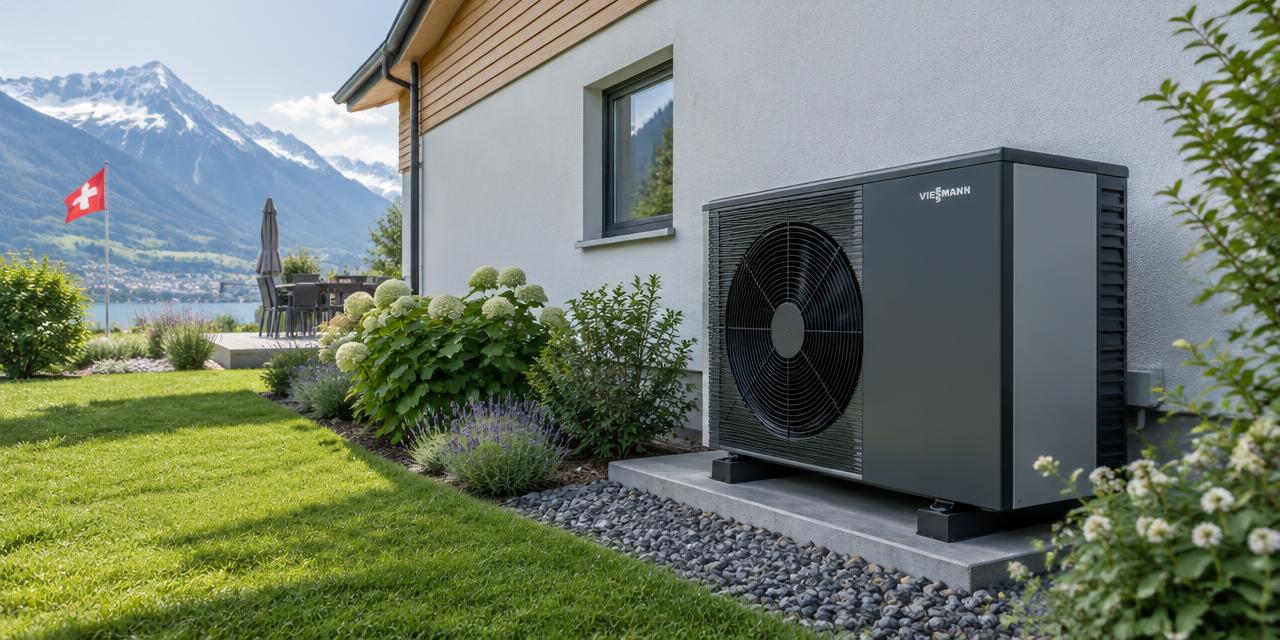
Also, ensure that the area around the outdoor unit remains clean, avoiding any obstruction by vegetation or debris that could hinder the airflow necessary for the proper functioning of the thermodynamic cycle.
Diligent monitoring ensures that your investment continues to contribute effectively to the local energy transition.
Flat rates and percentages depend on the replaced system; check with the cantonal energy office.
Geneva cantonal support for replacing oil or gas heating with renewable systems (heat pumps).
www.ge.chCheck amounts and conditions with the provider before signing: apply before work starts in most cases.
1214 Vernier · about 0 km
Techni Froid Sàrl specializes in the installation and maintenance of refrigeration, air conditioning, and heating systems in Vernier.
technifroid.ch1214 Vernier · about 0 km
Based in Vernier since 2006, Aquatec mainly provides plumbing installations, renovations and repairs in the canton of Geneva, with registered activities also covering sheet-metal roofing and heating.
aqua-tec.ch1214 Vernier · about 0 km
Specialist in the installation, manufacturing, and maintenance of ventilation and air conditioning systems for industrial and residential projects in Romandy.
air-ventil.ch1214 Vernier · about 0 km
Frigitech SA installs and maintains heating, ventilation and air conditioning equipment, with round-the-clock repair services and remote system monitoring.
frigotech.chSuggestions from the commercial register by distance and activity. Not an endorsement or partnership.
Yes, the type of permit depends on the power. For over 10 kW, a building permit is required, while a prior declaration is sufficient below that.
Genevan cantonal subsidies are available for replacing fossil fuel heating systems. You must apply for aid with the OCEN before starting work.
Yes, the installation must comply with the Ordinance on Protection against Noise (OPB). Acoustic compliance certificates are often required during the permit application.
It is strongly recommended to reduce the power requirements of the device. Better insulation improves profitability and overall thermal comfort.
Specific visual integration rules apply. Contact the Office of Urban Planning to learn about precise limitations on equipment location.
Yes, systematically check if your neighborhood can be connected to the 'CAD des Ranches' network. It is often the priority solution recommended by the municipality.
It is best to plan the installation outside the heating season, during temperate months. Anticipate several months to manage administrative formalities.
Source : swisstopo – service d'altitude (MNT)
Source : Open-Meteo Historical Weather API (réanalyse ERA5, moyenne 2015-2024)
Source : Open-Meteo Historical Weather API (réanalyse ERA5, moyenne 2015-2024)
Source : Open-Meteo Historical Weather API (réanalyse ERA5, moyenne 2015-2024)
Source : Open-Meteo Historical Weather API (réanalyse ERA5, moyenne 2015-2024)
Source : Open-Meteo Historical Weather API (réanalyse ERA5, moyenne 2015-2024)
Source : Open-Meteo Historical Weather API (réanalyse ERA5, moyenne 2015-2024) · estimate
Source : DA 194 – 22.09
Source : Guide Installations Solaires et Thermopompes - Canton de Genève